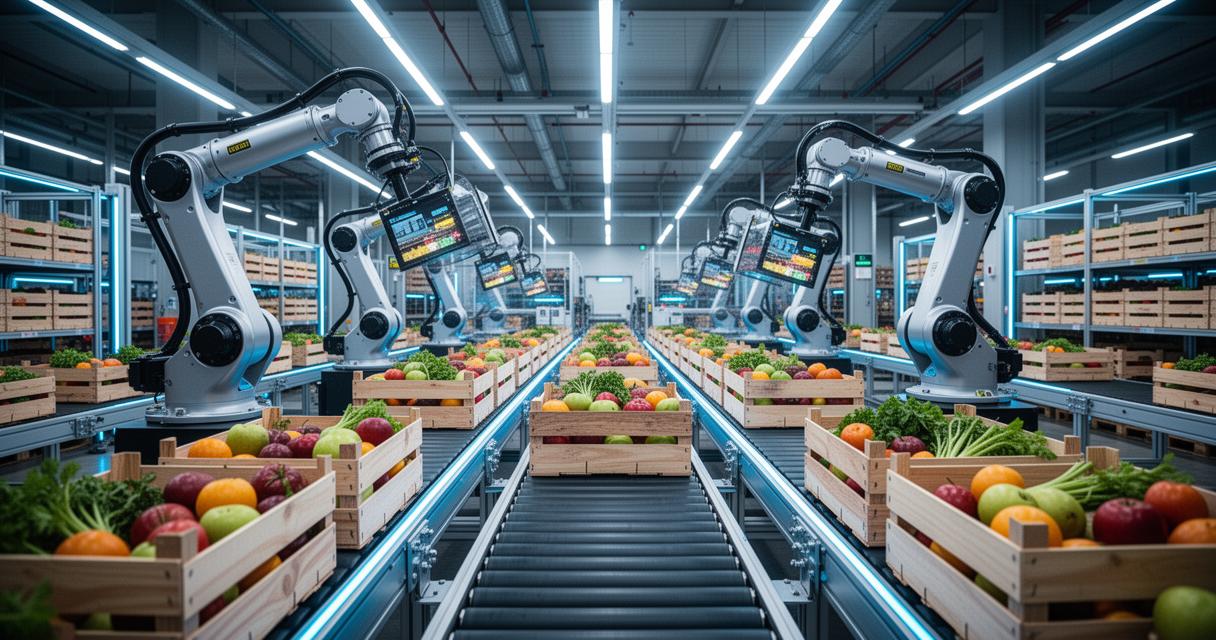
The way British households stock their fridges and cupboards has undergone a remarkable transformation over the past several years. Where the weekly shop once meant navigating crowded supermarket aisles, millions of consumers across the UK now manage their groceries entirely online, from fresh produce to store cupboard staples. The digital grocery market has expanded at pace, driven by shifting consumer habits, improved logistics, and an ever-growing range of retailers vying for a share of the nation’s food spend.
The essentials
- Online grocery shopping has transitioned from a niche convenience to a mainstream habit for nearly one in five British households.
- Advances in supply chain management and refrigerated logistics have significantly increased the quality and availability of fresh and organic produce online.
- The growth of the sector is largely driven by flexible delivery models, including same-day options, subscription services, and the widespread adoption of click-and-collect.
- Retailers are competing by enhancing user experience through smart recommendation engines, intuitive mobile interfaces, and simplified reordering functions.
- Online platforms have increased inclusivity by offering priority access and dedicated services for elderly, vulnerable, and expectant shoppers.
- Intense market competition between traditional supermarkets and digital-only grocers has led to competitive pricing and greater transparency regarding product details and provenance.
The evolution of digital supermarket shelves
Not long ago, ordering groceries over the internet felt like a novelty reserved for city dwellers with particularly hectic schedules. Today, the picture could not be more different. Online grocery shopping has become a mainstream habit, with nearly one in five British households now buying their groceries through digital channels. This shift reflects broader changes in consumer behaviour, as shoppers increasingly prioritise convenience, price transparency, and the ability to browse a wider selection of products than any single physical store could accommodate.
Fresh Produce and Organic Selections at Your Fingertips
One of the most compelling developments in eCommerce grocery has been the expansion of fresh and organic ranges available online. Shoppers who once worried that ordering fruits and vegetables remotely would mean receiving bruised or sub-standard produce have largely been won over by improvements in supply chain management and refrigerated delivery networks. Whether it is a weekly box of seasonal vegetables, a carefully curated selection of organic staples, or specialist dietary items, the breadth of choice available through online retailers now rivals — and in many cases surpasses — what one might find on a physical supermarket shelf.
The appetite for bio and ethically sourced products has grown considerably, with a range of platforms catering specifically to consumers seeking organic fruit, responsibly farmed meat, or plant-based alternatives. This evolution in online distribution has empowered shoppers to make more considered purchasing decisions, browsing certifications and provenance details at leisure rather than scanning a crowded shelf under fluorescent lights.
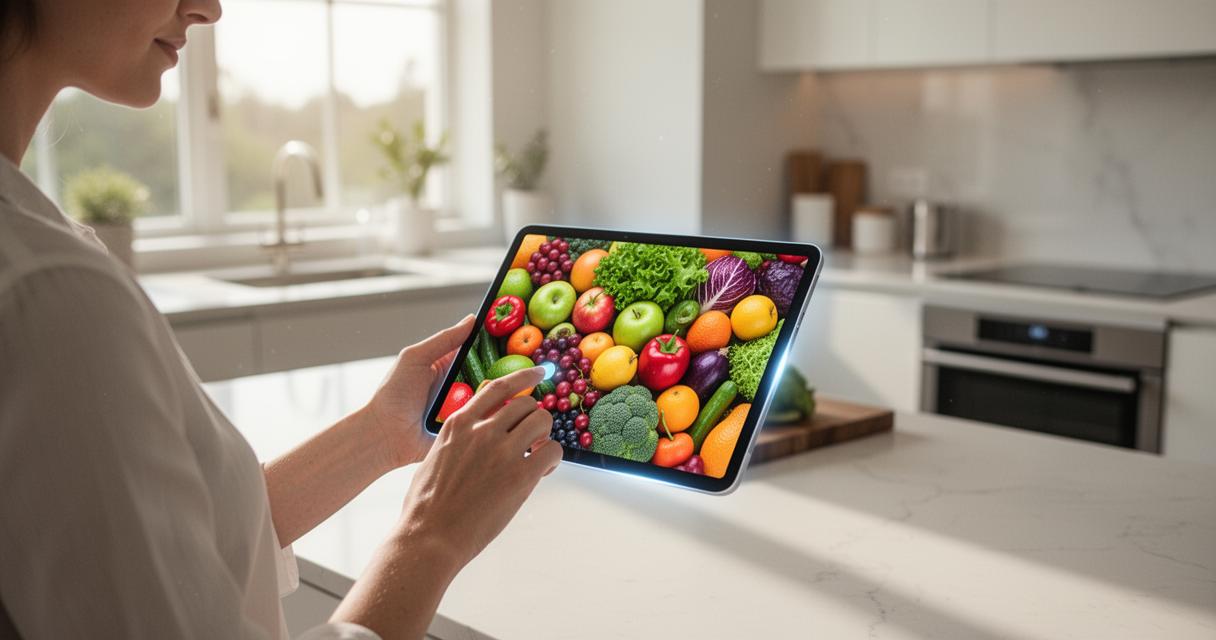
Sourcing quality ingredients online with ease
The grocery retailers who have thrived in the online space are those who have invested heavily in presenting their produits alimentaires clearly and honestly. Detailed product descriptions, clear allergen information, and honest imagery have become baseline expectations rather than differentiating features. Alongside established supermarket names, a new wave of purely digital grocers has emerged — businesses with no physical stores whatsoever, whose entire operation is built around the online achat experience. These newcomers have pushed traditional retailers to raise their standards and rethink how they present their offer on internet platforms.
Flexible delivery options tailored to modern lifestyles
Perhaps the single greatest driver of online shopping growth in the grocery sector has been the diversification of delivery models. The days of waiting in all morning for a single delivery window have given way to a far more flexible landscape, with retailers competing fiercely on slot availability, speed, and cost.
Convenient home delivery and minimum order thresholds
Most major grocery retailers operating online in the UK set a minimum order value to qualify for home delivery, a threshold that varies from one platform to the next. Some services have lowered their minimum order requirements significantly, making it easier for smaller households or those doing a quick top-up shop to benefit from doorstep delivery without needing to inflate their basket. In certain cases, delivery fees are waived entirely for orders above a set value, with livraison gratuite serving as a powerful incentive for shoppers to consolidate their purchases through a single retailer.
The arrival of same-day and rapid delivery services has further raised the bar. Some platforms now offer same day delivery for orders placed before a certain cut-off time, catering to spontaneous meal planners and those who have simply run out of essentials mid-week. Subscription models — where shoppers pay a monthly or annual fee in exchange for free or discounted deliveries — have also gained considerable traction, rewarding loyal customers and encouraging regular, repeat achats.
The Rise of Click and Collect Solutions
Not every shopper wants their groceries delivered to their doorstep, and the click and collect model has proven enormously popular with those who prefer to pick up their order at a time that suits them. The drive format — where customers pull up to a designated bay and have their pre-packed order loaded into the boot — has become a fixture at many large supermarket sites across the country. It combines the convenience of online ordering with the immediacy of an in-person collection, often at no additional cost to the shopper. For commuters, parents doing the school run, or anyone whose schedule makes a fixed delivery window impractical, click and collect has become an invaluable alternative to traditional courses.
Enhancing the Customer Experience for Every Household
Retail innovation in the grocery space is not purely about logistics. The most forward-thinking platforms have recognised that the online shopping experience must feel intuitive, personal, and genuinely helpful to sustain long-term loyalty. From smart recommendation engines that learn a household’s preferences over time to simplified reorder functions that recreate last week’s basket with a single click, the emphasis is firmly on reducing friction and saving the client time and effort.

Streamlined online shopping for busy families
For families juggling work, school runs, and an endless list of commitments, the ability to do the weekly shop from a smartphone or laptop is no small convenience — it is a genuine quality-of-life improvement. Many platforms have responded by designing mobile-first interfaces that make navigating large product catalogues quick and straightforward, whatever the device. The ability to search by dietary requirement, set recurring orders for everyday staples, or receive alerts when favourite products come back into stock has made online grocery a genuinely compelling proposition for time-pressed households. Market competition among major grocery platforms has ensured that the prix on offer online frequently matches or undercuts the in-store equivalent, with promotional offers and digital-exclusive discounts adding further value.
Assisting vulnerable shoppers and expectant mothers
One of the more quietly significant contributions of online grocery platforms has been their support for shoppers who face particular challenges in accessing physical stores. Elderly customers, those with reduced mobilite, and femmes enceintes have all benefited from priority access schemes, dedicated shopping hours, and specially designed delivery services introduced by a number of major retailers. During periods of high demand, some supermarkets have created exclusive booking windows to ensure that vulnerable shoppers and expectant mothers are not disadvantaged when shopping slots are scarce. This commitment to inclusivity has enhanced the reputation of online grocery services and demonstrated that the sector’s ambitions extend beyond pure commercial growth.
Looking ahead, the trajectory of online grocery shopping in the UK suggests continued expansion. Industry forecasts point to a doubling of the sector’s share of the total grocery market in the coming years, as more households discover the benefits of digital shopping and retailers invest further in delivery capacity, technology, and range. Whether through rapid food delivery, scheduled home drops, or the growing network of click and collect points, the best online grocery sites are reshaping not just how people shop, but how they think about food, value, and the very concept of a local supermarket.