In an era where digital innovation continues to reshape professional environments, the notion of carrying physical badges to trade shows and events feels increasingly outdated. Modern technology offers a streamlined alternative that combines convenience, security, and functionality. By harnessing the power of Near Field Communication, individuals can transform their everyday mobile devices into sophisticated digital credentials, eliminating the need for traditional plastic passes whilst enhancing the overall experience at exhibitions and networking events.
Understanding NFC Technology and Its Applications for Digital Badges
What is NFC and How Does It Facilitate Secure Data Transmission Between Devices
Near Field Communication represents a pivotal advancement in wireless data transfer, allowing compatible devices positioned within close proximity to exchange information seamlessly. This technology operates through electromagnetic radio fields, enabling two devices to communicate when brought within a few centimetres of each other. Unlike traditional methods that require complex pairing processes or internet connectivity, NFC technology simplifies interactions by facilitating instant, secure connections. The underlying principle involves a small chip embedded within NFC tags that can store and transmit data when activated by an NFC-enabled reader, typically found in modern smartphones. This capability makes it particularly valuable for applications requiring quick authentication or information sharing, such as contactless payments, access control, and digital identification. The security of NFC technology stems from its limited range, which inherently reduces the risk of unauthorised interception, making it an ideal solution for transmitting sensitive information at professional gatherings. When applied to trade show environments, NFC technology enables attendees to share contact information, access exclusive content, and verify their credentials with a simple tap, transforming the traditional badge experience into something far more dynamic and efficient.
The Advantages of NFC-Enabled Smartphones Over Traditional RFID Badges at Trade Shows
Whilst traditional RFID badges have served exhibitions well for years, NFC-enabled smartphones present a compelling alternative that addresses many limitations of conventional systems. Physical badges can be easily lost, damaged, or forgotten, leading to delays and frustration for attendees. In contrast, most individuals carry their smartphones constantly, making it an inherently more reliable credential carrier. Beyond mere convenience, smartphone-based badges offer remarkable flexibility, allowing users to update their information instantly without requiring new physical materials. This adaptability proves particularly valuable when contact details change or when attendees wish to customise the information they share with different contacts. Furthermore, NFC-enabled mobiles facilitate richer interactions than standard badges ever could. Attendees can programme their devices to share not only basic contact information but also links to portfolios, social media profiles, or specific product pages, creating more meaningful networking opportunities. The environmental benefits also merit consideration, as digital badges eliminate the waste associated with producing thousands of plastic cards for each event. From an operational perspective, event organisers benefit from streamlined check-in processes, reduced printing costs, and valuable data insights into attendee behaviours and preferences. These analytics can inform future event planning, helping organisers understand which sessions generated the most interest or which exhibitors attracted the greatest engagement. The integration of smartphone technology with event infrastructure also opens possibilities for personalisation, allowing attendees to receive tailored recommendations and notifications throughout their visit.
Step-by-step guide to creating your own customisable nfc badge using your mobile
Selecting the Right Applications and NFC Tags for Your Smartphone Badge
Creating a functional NFC badge begins with choosing appropriate tools and materials. Tap tags designed specifically for contact information sharing represent the most straightforward option, as they come preconfigured for common use cases. These rewritable tags can typically store up to one hundred and forty-four bytes of information, which suffices for most professional applications. When selecting tags, compatibility with both iOS and Android platforms should be confirmed to ensure universal functionality. The physical format of tags varies considerably, ranging from adhesive stickers that can be affixed to phone cases to more durable enclosures designed for repeated use. For trade show applications, opting for tags that can withstand frequent tapping and handling proves essential. On the software side, the NFC Tools application stands out as a reliable, user-friendly option available for both major smartphone operating systems. This application provides intuitive interfaces for programming tags and managing stored information without requiring technical expertise. Some providers offer custom options that allow for branded designs or specific form factors tailored to corporate identity requirements. When evaluating suppliers, factors such as shipping arrangements, personalisation capabilities, and customer support should influence the decision. Companies based in accessible locations with next business day shipping options can significantly reduce preparation time before events. Additionally, suppliers offering complimentary shipping on orders above certain thresholds or gifts for larger purchases provide added value. The investment in quality tags and applications pays dividends through improved reliability and enhanced professional presentation at exhibitions and networking functions.
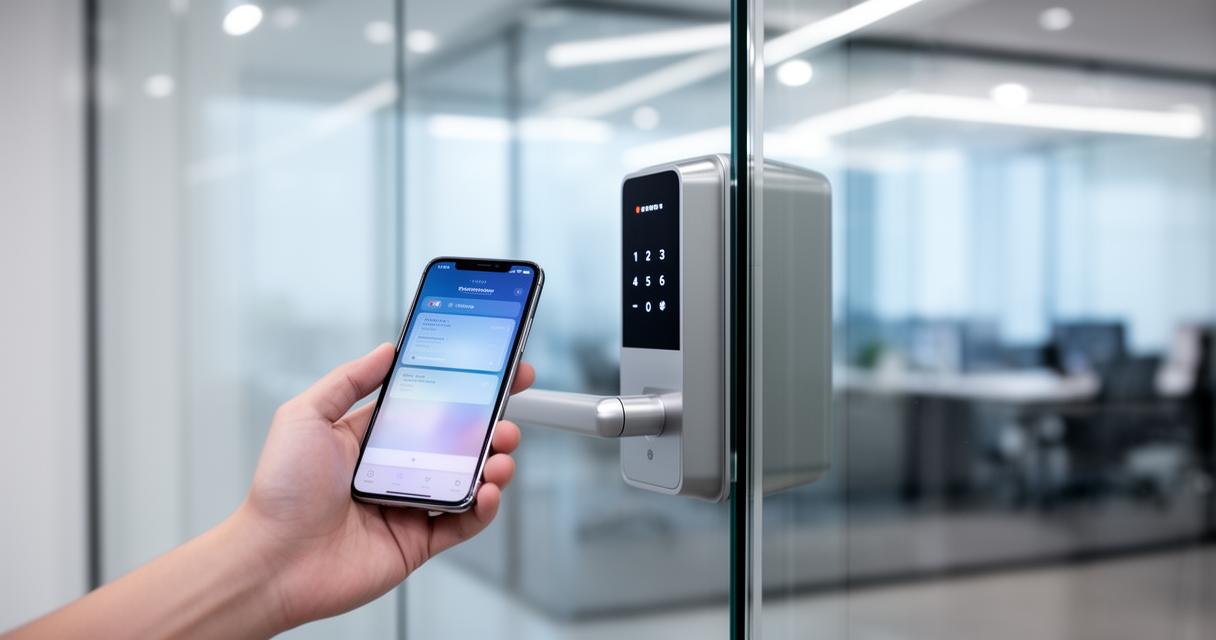
Programming Your NFC Tag and Ensuring Compatibility with Various Readers
Once suitable tags and applications have been secured, the programming process itself remains refreshingly straightforward. The first step involves downloading the NFC Tools app onto the smartphone, which provides the interface for encoding information onto the tag. Upon launching the application, users should navigate to the writing section, where they can add a custom URL or other data types. It is crucial to note that smartphone compatibility requires using website URLs rather than other data formats, as this ensures the broadest possible functionality across different devices and platforms. After entering the desired URL, which might point to a digital business card, portfolio website, or specific event page, the user simply needs to hold the blank NFC tag against the smartphone's NFC reading area. This area typically resides on the back of the device, though its exact location varies by manufacturer. The application will provide feedback confirming successful writing, usually through a visual indicator or notification. Testing the newly programmed tag immediately after encoding helps verify proper functionality before the event begins. This verification involves tapping the tag with the same smartphone or another NFC-enabled device to ensure the correct information appears. Should issues arise during programming, several common troubleshooting steps can resolve most problems. Ensuring that NFC functionality is enabled in the smartphone's settings represents the most basic check, as this feature sometimes gets disabled inadvertently. Additionally, confirming that no thick cases or metal objects interfere with the NFC signal can prevent reading failures. Some smartphones require specific positioning of the tag relative to the device's antenna, so experimenting with placement often yields success. For rewritable tags, the ability to modify stored information provides ongoing flexibility, allowing users to update their digital badge as circumstances change without purchasing new hardware.
Managing and Updating Your Digital Badge for Maximum Security and Convenience
How to modify badge information easily through smartphone applications
The dynamic nature of professional life demands credentials that can evolve alongside changing circumstances. One of the most compelling advantages of smartphone-based NFC badges lies in their inherent adaptability. Unlike printed badges that become obsolete the moment contact information changes, digital alternatives can be updated within moments using the same applications employed for initial programming. To modify stored information, users simply launch the NFC Tools app and navigate to the writing interface. From there, they can erase existing data and encode new content onto the rewritable tag. This process takes mere seconds and can be performed anywhere, eliminating the need for specialised equipment or technical support. For professionals attending multiple events with different audiences, maintaining several preprogrammed tags offers additional flexibility. One tag might contain comprehensive contact details suitable for potential clients, whilst another could link to a portfolio specifically curated for creative collaborations. This tailored approach ensures that shared information remains relevant to each interaction. The ability to switch between different digital business cards depending on context enhances networking effectiveness significantly. Some advanced users create dynamic URLs that point to web pages whose content they control, allowing them to update the destination information without reprogramming the physical tag itself. This method proves particularly useful for campaigns requiring frequent updates or seasonal promotions. Regular maintenance of digital badges should include periodic testing to ensure continued functionality, as well as reviewing the information being shared to confirm its accuracy and relevance. By establishing a routine for badge management, professionals can ensure their digital credentials always present the most current and appropriate information.
Implementing Digital Labels for Enhanced Security at Professional Events
Security considerations at trade shows and professional gatherings extend beyond simple identification verification. Digital labels powered by NFC technology offer sophisticated solutions that address multiple security concerns whilst maintaining user convenience. The limited range of Near Field Communication inherently provides a security advantage, as data transmission occurs only when devices are brought into immediate proximity. This characteristic makes unauthorised interception significantly more difficult compared to technologies with longer broadcast ranges. Event organisers can implement NFC-based access control systems that verify attendee credentials at entry points, session rooms, or restricted areas. These systems can be programmed to recognise specific identifiers encoded in digital badges, granting or denying access based on predetermined permissions. The real-time nature of NFC verification allows for dynamic security management, enabling organisers to revoke access privileges instantly if necessary. From an attendee perspective, NFC badges eliminate concerns about badge theft or unauthorised duplication, as smartphones typically require biometric authentication or passcodes to unlock. This multi-layered security ensures that even if a phone were lost, the digital badge would remain inaccessible without proper credentials. The data insights generated through NFC interactions also contribute to security by creating audit trails that document attendee movements and interactions throughout the venue. These records can prove invaluable for contact tracing, compliance verification, or investigating security incidents. Furthermore, the integration of NFC technology with event platforms enables seamless lead generation for exhibitors, who can collect verified contact information through consensual taps rather than relying on manually entered data prone to errors. The encryption capabilities inherent in modern NFC implementations provide additional protection for sensitive information exchanged during professional interactions. As event technology continues to advance, the combination of convenience, efficiency, and security offered by NFC-enabled smartphones positions them as the definitive solution for modern trade show credentials, representing a significant evolution from traditional badge systems whilst addressing the practical needs of contemporary professional environments.