The shift towards sustainable motoring has become one of the most pressing challenges facing modern drivers, and choosing a car electric converter presents an opportunity to reduce your environmental impact whilst maintaining your existing vehicle. As more than 1.75 million fully electric cars now grace UK roads and government targets aim for 8 million electric and hybrid vehicles by 2030, the movement towards zero-emission transport has gained remarkable momentum. Converting your traditional petrol or diesel vehicle to electric power offers a practical alternative to purchasing a brand-new electric model, enabling you to contribute to cleaner air and reduced greenhouse gas emissions without the environmental cost of manufacturing an entirely new vehicle. This comprehensive guide explores how selecting the right car electric converter can transform your motoring experience whilst supporting the broader transition towards sustainable transport.
Understanding car electric converters and their environmental impact
What Is a Car Electric Converter and How Does It Work?
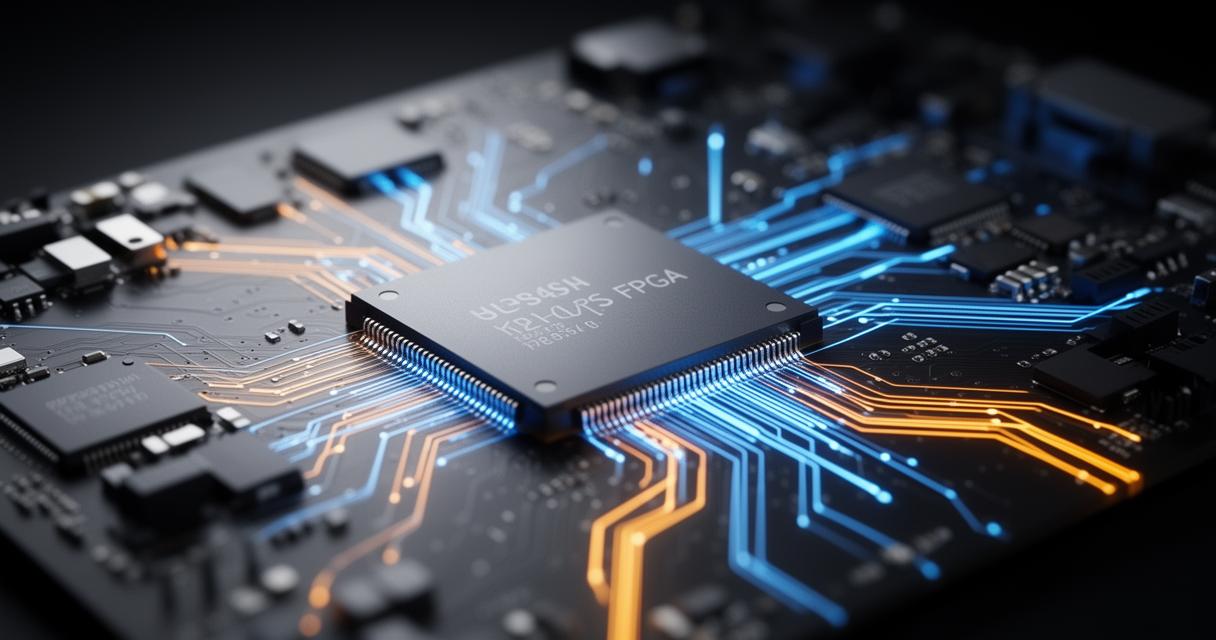
A car electric converter represents a sophisticated system that replaces your vehicle's internal combustion engine with an electric motor and battery pack, effectively transforming a conventional petrol or diesel car into an electric vehicle. The conversion process involves removing the original engine, fuel tank, and exhaust system, then installing an electric motor, controller, battery array, and charging system in their place. The electric motor connects directly to the existing transmission or replaces it entirely with a simpler drive system, whilst the battery pack typically fits within the engine bay or underneath the vehicle. Modern conversion kits often utilise lithium-ion batteries, which major manufacturers have worked to make increasingly sustainable through improved production methods and responsible sourcing of materials. The controller manages power flow between the battery and motor, allowing you to accelerate and brake smoothly whilst regenerative braking systems capture energy during deceleration to recharge the batteries. Vehicle-to-grid technology can even enable your converted vehicle to export energy back to the grid during peak demand periods, further enhancing its environmental credentials. The conversion preserves the body, chassis, and much of the original vehicle's character whilst eliminating tailpipe emissions entirely, creating a zero-emission vehicle from an existing platform.
The Direct Environmental Benefits of Converting Your Vehicle to Electric
Converting your car to electric power delivers substantial environmental benefits that extend far beyond the elimination of tailpipe emissions. Road transport contributed to 24 per cent of the UK's greenhouse gas emissions in 2020, making the transition to electric vehicles a critical component of national carbon reduction strategies. Electric vehicles produce zero tailpipe emissions, which means they release no nitrogen oxides, particulate matter, or carbon monoxide during operation, directly improving air quality in urban areas where pollution has been linked to 40,000 premature deaths annually in the UK. Switching from a petrol or diesel vehicle to an electric alternative can save approximately 1.5 tonnes of carbon dioxide annually, with electric vehicles emitting 66 per cent less carbon dioxide per mile compared to their petrol counterparts. Electric car lifetime emissions in the UK stand roughly 58 per cent lower than petrol vehicles, even when accounting for production emissions. The carbon footprint of battery manufacturing has decreased by 66 per cent since 2010, reflecting rapid improvements in production efficiency and cleaner energy sources powering manufacturing facilities. Electric vehicles reduce lifetime emissions by between 43 and 64 per cent depending on driving patterns and charging habits, with this advantage growing as electricity generation increasingly relies on renewable sources. By converting an existing vehicle rather than manufacturing a new one, you avoid the substantial embodied carbon associated with producing a brand-new car, making conversion an especially environmentally sound choice for vehicles with solid chassis and body structures. The reduction in crude oil consumption further diminishes environmental damage associated with extraction, refining, and transportation of fossil fuels.
Key factors to consider when choosing your car electric converter
Battery Capacity and Range: Balancing Performance with Sustainability
Selecting the appropriate battery capacity represents perhaps the most crucial decision when choosing your car electric converter, as it directly affects both your vehicle's range and its overall environmental footprint. Battery capacity measured in kilowatt-hours determines how far you can travel on a single charge, with larger battery packs offering extended range but requiring more materials and energy during production. Modern electric vehicles typically feature warranties of five to eight years or 100,000 miles for battery and electric motor systems, indicating the longevity and reliability of contemporary battery technology. When evaluating conversion options, consider your typical daily driving distance and charging access rather than selecting the largest battery available, as oversized battery packs add unnecessary weight and production emissions. Lithium-ion batteries dominate the electric vehicle market due to their energy density and improving sustainability credentials, with manufacturers increasingly incorporating recycled materials into new battery production. The recycling potential of electric vehicle batteries has reached 95 per cent, ensuring that materials can be recovered and reused rather than creating waste. Battery sustainability continues to improve as manufacturers develop more efficient production processes and source materials more responsibly, with the carbon footprint of battery manufacturing having fallen dramatically over the past decade. Maintaining your battery's lifespan through proper charging habits and temperature management maximises the environmental benefits of your conversion by extending the useful life of this critical component. Charging your converted vehicle using renewable energy sources, whether through green energy tariffs or home solar installations, further reduces the carbon intensity of your motoring and ensures you maximise the environmental advantages of electric power.
Conversion costs versus long-term environmental savings
Understanding the financial implications of electric conversion helps contextualise the environmental benefits within a practical framework that considers both immediate investment and long-term savings. Whilst the cheapest new electric car, the Dacia Spring, starts under £13,000, and used electric vehicles can be found for as low as £1,500, conversion costs vary significantly depending on your vehicle's size, the battery capacity selected, and the complexity of the installation. Home charger installation typically ranges from £500 to £1,500, with grants available covering up to 75 per cent for eligible renters, making home charging infrastructure accessible to more drivers. Electric vehicles generally demonstrate lower running costs compared to petrol and diesel alternatives, with electricity proving cheaper per mile than fossil fuels and maintenance requirements reduced due to fewer moving parts and no need for oil changes or exhaust system repairs. Finance options including Personal Contract Purchase and Hire Purchase arrangements make electric conversion more accessible, with structured payment plans spreading the initial investment over manageable monthly instalments. Some programmes offer electric vehicles as employee benefits with hassle-free maintenance, breakdown cover, and insurance included, demonstrating the growing recognition of electric motoring's advantages. The elimination of road tax exemptions from April 2025 means electric vehicles now contribute to road maintenance, though their environmental benefits remain substantial despite this policy change. Long-term savings extend beyond direct running costs to encompass reduced environmental cleanup expenses, improved public health outcomes, and decreased reliance on volatile fossil fuel markets. Calculating your specific environmental savings using carbon emissions calculators helps quantify the impact of conversion, demonstrating how individual choices contribute to broader climate goals and the government's target of 100 per cent zero-emission new car sales by 2035.
Making the Switch: Your Practical Guide to Electric Conversion
Finding Certified Conversion Specialists and Understanding the Process
Locating qualified conversion specialists represents a critical step in ensuring your electric conversion meets safety standards, delivers reliable performance, and achieves the environmental benefits you seek. Certified conversion companies possess the technical expertise to assess your vehicle's suitability for conversion, recommend appropriate components, and complete the installation to regulatory standards that satisfy both insurance requirements and Ministry of Transport testing protocols. The conversion process typically begins with a comprehensive evaluation of your vehicle's condition, weight distribution, and structural integrity, as these factors determine the feasibility and optimal configuration for electric power. Specialists then design a conversion plan that specifies battery placement, motor selection, controller programming, and charging system installation, ensuring all components integrate seamlessly with your vehicle's existing systems. Professional conversion companies maintain relationships with component suppliers, enabling them to source quality batteries, motors, and controllers whilst staying current with rapid technological developments in the electric vehicle sector. The installation phase involves removing internal combustion components, fabricating mounting systems for electric drivetrain elements, installing wiring harnesses, and integrating charging ports, with the entire process typically requiring several weeks depending on vehicle complexity. Post-conversion testing ensures all systems function correctly, safety mechanisms operate as designed, and the vehicle meets regulatory requirements for road use, with specialists often assisting with the re-registration process that reflects your vehicle's new zero-emission status. Choosing conversion specialists with proven track records and comprehensive insurance coverage protects your investment and ensures you receive ongoing support as you adapt to electric motoring. With over 150 different electric car models now available and more than 473,000 new electric cars registered in 2025, the expertise and infrastructure supporting electric vehicles continue to expand, making specialist support increasingly accessible.
Maintenance requirements and maximising your converted vehicle's eco-friendly potential
Maintaining your converted electric vehicle requires a different approach compared to traditional internal combustion engines, with simplified servicing needs that reduce both costs and environmental impact. Electric drivetrains feature fewer moving parts than petrol or diesel engines, eliminating the need for oil changes, spark plug replacements, timing belt services, and exhaust system maintenance, which collectively reduce waste generation and resource consumption. Battery maintenance focuses primarily on monitoring charge levels, avoiding extreme temperatures, and preventing complete discharge cycles that can degrade cell capacity over time, with most modern battery management systems handling these tasks automatically. Brake system maintenance requirements decrease significantly due to regenerative braking that reduces wear on conventional friction brakes, extending the life of brake pads and discs whilst recovering energy that would otherwise dissipate as heat. Tyre selection and maintenance gain importance in electric vehicles due to the instant torque delivery of electric motors, with proper inflation and rotation schedules maximising efficiency and minimising particulate emissions from tyre wear. Maximising your converted vehicle's environmental benefits involves charging predominantly from renewable energy sources, utilising services like Octopus Charge and special tariffs that save 1 penny per kilowatt-hour for Octopus electric vehicle drivers. Access to over one million public chargers in the UK and Europe through networks like Octopus Electroverse ensures you can maintain your vehicle's charge using increasingly clean electricity sources, with the environmental advantage of electric vehicles growing as grid decarbonisation progresses. Leasing options where you pay to drive rather than own, with maintenance included, remove concerns about long-term upkeep whilst ensuring professional servicing maintains your vehicle's efficiency and environmental performance. Understanding that electric vehicles' emissions in the UK already stand roughly 58 per cent lower than petrol cars when considering production emissions, and that this advantage continues improving, reinforces the environmental wisdom of electric conversion and the importance of proper maintenance to realise these benefits throughout your vehicle's extended service life.